











Just How White Are My Teeth? A Consider Shade And Natural Variation
ㅣ 미용 ㅣ 헤어샵
If this concern is putting a damper on your recently white smile, you're not alone. Greater than 6 in 10 people will certainly experience tooth sensitivity after teeth whitening. Fortunately, there are lots of basic ways to deal with this bothersome-- and painful-- issue, from avoiding specific drinks to utilizing a teeth sensitivity gel. The majority of teeth whitening products utilize hydrogen peroxide or carbamide peroxide (which damages down into the previous). That is because your teeth are extra permeable afterward, which subjects the soft dentin and nerves that are underneath your enamel. The major cause of tooth sensitivity after whitening is using peroxide-based whitening items.
At Zimba, we understand the value of accomplishing your perfect smile without compromising convenience or budget. Our range of at-home lightening items is designed with your health in mind. We make use of natural, high-grade components to minimize level of sensitivity and make teeth whitening as positive as feasible. If you've had recent dental work done, like dental fillings or root canals, your teeth could be much more prone to sensitivity from lightening strips. Dental treatments can momentarily make teeth much more delicate, and introducing whitening representatives right into the mix can heighten this impact. Periodontal condition, consisting of gingivitis and periodontitis, can also lead to heightened level of sensitivity after teeth whitening.
Often Asked Inquiries Regarding Why Do My Teeth Hurt After Bleaching Strips
However, before we enter into what to do around delicate teeth after whitening, let's learn even more concerning sensitive teeth as a whole. This article reviews what tooth level of sensitivity is, how whitening therapies can cause it, and what you can do to reduce the signs. If you already have dental issues, such as tooth cavities, periodontal illness, or used enamel, whitening can make these concerns even worse.
What If It's An Intolerable Discomfort After Teeth Lighten
 Nonsteroidal anti-inflammatory medications (NSAIDs) like ibuprofen lower both discomfort and swelling that commonly comply with bleaching therapies. Acetaminophen works as an alternative choice for those that can not take NSAIDs. Desensitizing tooth pastes consisting of potassium nitrate or fluoride help obstruct nerve signals that cause discomfort when brushing or eating. Fluoride gels or varnishes strengthen enamel and substantially reduce level of sensitivity when used either at home or in an oral office.
Instant Comforting Approaches For Burnt Periodontals
Expert whitening therapies are more powerful so sensitivity could last as much as two weeks or longer. It's best to see your oral expert to evaluate the existing problem of your teeth and history of level of sensitivity to establish what degree of lightening is ideal for you. When the bleaching agents penetrate with to the delicate dentine inside your teeth it can create a sharp pain. Teeth lightening procedures can occasionally lead to uncomfortable side effects, with discomfort being among one of the most common complaints patients record. Level of sensitivity and pain after lightening therapies take place when the whitening agents permeate through the enamel and aggravate the nerve ends in the dentin layer.
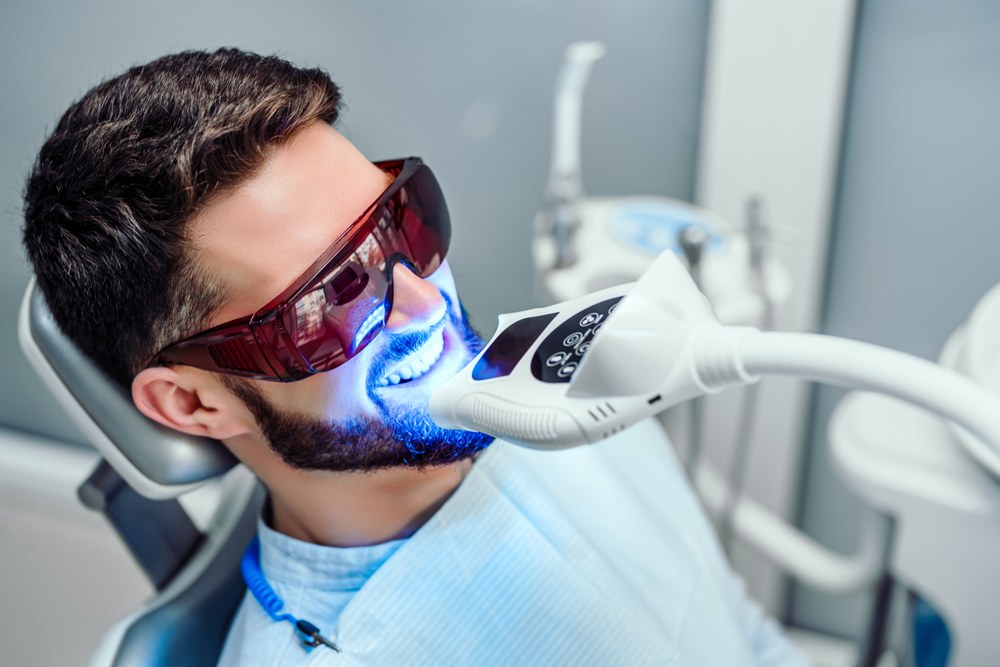
The process generally includes applying a whitening option that contains active components like hydrogen peroxide or carbamide peroxide. These agents penetrate the tooth enamel, helping to raise stains and brighten the dentin layer below. Teeth bleaching therapies whether home or hyperlink professional, make use of whitening representatives to raise stains from the ena
 Bleaching strips can help with light surface area stains, yet they're not as effective as in-office treatments. Specialist bleaching utilizes more powerful whitening agents and progressed innovation like laser or light activation, which permeate much deeper right into the enamel for longer-lasting results. Over the counter strips take longer to show results and might not be effective for deep spots.
The natural color of the teeth varies, not all teeth tones coincide. You might notice that even if you maintain good dental hygiene or stay clear of discoloration foods, your teeth continue to be yellowish. Cigarette smoking and the use of tobacco items are popular contributors to yellowing teeth. The pure nicotine and tar in cigarettes, stogies, and smokeless tobacco can create significant discoloration on the teeth. These compounds not just darken the enamel yet also result in the buildup of plaque and tartar, which can additionally contribute to discoloration.
Coffee, red wine, tea, and other extremely acidic foods and drinks can tarnish the enamel. With consistent oral health and way of life adjustments, you can significantly improve the shade of your teeth. Extrinsic spots are surface-level and normally connected to way of life selections. Routine oral care can help handle staining, regardless of genetic tendency. Ecological variables, such as diet and xn--6j1by47atpb75y.com behaviors, engage with genes to determine the final color of your teeth.
Neglecting proper dental hygiene can result in plaque accumulation, which becomes tartar, which spots teeth. Daily cleaning and flossing are vital to preventing such buildup and succeeding staining. Ever before asked yourself why your teeth aren't as white as they used to be? In a location like Beverly Hills, where bright smiles are almost everywhere, it can really feel discouraging to see discoloration creeping in. Teeth discoloration occurs for a selection of factors, some you can control and some you ca
At Zimba, we understand the value of accomplishing your perfect smile without compromising convenience or budget. Our range of at-home lightening items is designed with your health in mind. We make use of natural, high-grade components to minimize level of sensitivity and make teeth whitening as positive as feasible. If you've had recent dental work done, like dental fillings or root canals, your teeth could be much more prone to sensitivity from lightening strips. Dental treatments can momentarily make teeth much more delicate, and introducing whitening representatives right into the mix can heighten this impact. Periodontal condition, consisting of gingivitis and periodontitis, can also lead to heightened level of sensitivity after teeth whitening.
Often Asked Inquiries Regarding Why Do My Teeth Hurt After Bleaching Strips
However, before we enter into what to do around delicate teeth after whitening, let's learn even more concerning sensitive teeth as a whole. This article reviews what tooth level of sensitivity is, how whitening therapies can cause it, and what you can do to reduce the signs. If you already have dental issues, such as tooth cavities, periodontal illness, or used enamel, whitening can make these concerns even worse.
What If It's An Intolerable Discomfort After Teeth Lighten
Nonsteroidal anti-inflammatory medications (NSAIDs) like ibuprofen lower both discomfort and swelling that commonly comply with bleaching therapies. Acetaminophen works as an alternative choice for those that can not take NSAIDs. Desensitizing tooth pastes consisting of potassium nitrate or fluoride help obstruct nerve signals that cause discomfort when brushing or eating. Fluoride gels or varnishes strengthen enamel and substantially reduce level of sensitivity when used either at home or in an oral office.Instant Comforting Approaches For Burnt Periodontals
Expert whitening therapies are more powerful so sensitivity could last as much as two weeks or longer. It's best to see your oral expert to evaluate the existing problem of your teeth and history of level of sensitivity to establish what degree of lightening is ideal for you. When the bleaching agents penetrate with to the delicate dentine inside your teeth it can create a sharp pain. Teeth lightening procedures can occasionally lead to uncomfortable side effects, with discomfort being among one of the most common complaints patients record. Level of sensitivity and pain after lightening therapies take place when the whitening agents permeate through the enamel and aggravate the nerve ends in the dentin layer.
The process generally includes applying a whitening option that contains active components like hydrogen peroxide or carbamide peroxide. These agents penetrate the tooth enamel, helping to raise stains and brighten the dentin layer below. Teeth bleaching therapies whether home or hyperlink professional, make use of whitening representatives to raise stains from the ena
Bleaching strips can help with light surface area stains, yet they're not as effective as in-office treatments. Specialist bleaching utilizes more powerful whitening agents and progressed innovation like laser or light activation, which permeate much deeper right into the enamel for longer-lasting results. Over the counter strips take longer to show results and might not be effective for deep spots.The natural color of the teeth varies, not all teeth tones coincide. You might notice that even if you maintain good dental hygiene or stay clear of discoloration foods, your teeth continue to be yellowish. Cigarette smoking and the use of tobacco items are popular contributors to yellowing teeth. The pure nicotine and tar in cigarettes, stogies, and smokeless tobacco can create significant discoloration on the teeth. These compounds not just darken the enamel yet also result in the buildup of plaque and tartar, which can additionally contribute to discoloration.
Coffee, red wine, tea, and other extremely acidic foods and drinks can tarnish the enamel. With consistent oral health and way of life adjustments, you can significantly improve the shade of your teeth. Extrinsic spots are surface-level and normally connected to way of life selections. Routine oral care can help handle staining, regardless of genetic tendency. Ecological variables, such as diet and xn--6j1by47atpb75y.com behaviors, engage with genes to determine the final color of your teeth.
Neglecting proper dental hygiene can result in plaque accumulation, which becomes tartar, which spots teeth. Daily cleaning and flossing are vital to preventing such buildup and succeeding staining. Ever before asked yourself why your teeth aren't as white as they used to be? In a location like Beverly Hills, where bright smiles are almost everywhere, it can really feel discouraging to see discoloration creeping in. Teeth discoloration occurs for a selection of factors, some you can control and some you ca
댓글목록
등록된 댓글이 없습니다.